
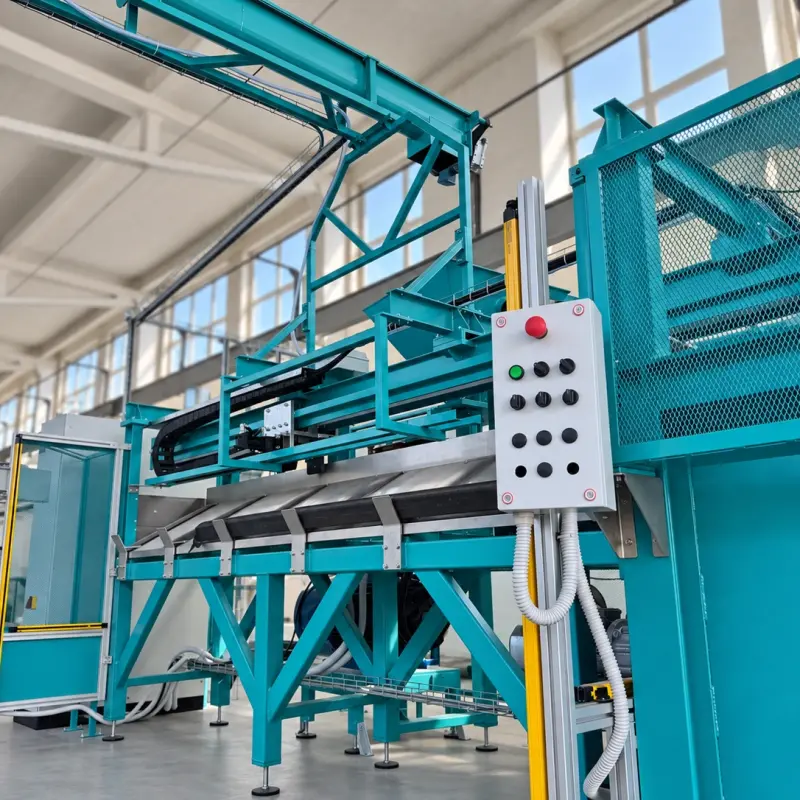
Plastic regrind goes in at the feed opening, and a new product comes out at the end of the line. This is not a vision of the future but a completed project: MPS (Machining Production Systems), a member company of Miell Group, has designed and built a complete extrusion system for plastic recycling.
The project clearly shows what the group's manufacturing and industrial machining background is capable of. Building the line required the coordinated work of several disciplines, from machine design through metal fabrication and control programming all the way to installation.
Why Does It Matter That Plastic Gets a Second Life?
Plastic is one of the most versatile materials in industry: it is lightweight, durable and easy to shape. Precisely because it is so durable, however, it also remains as waste for a long time if it does not find its way back into the cycle.
Recycling closes this loop. Used plastic becomes raw material again, and that raw material becomes a new product. This means less waste is generated and less new, virgin raw material is needed.
The circular economy is no longer just an environmental issue. European regulation and partner expectations are increasingly pushing companies to treat waste as a resource rather than a problem.
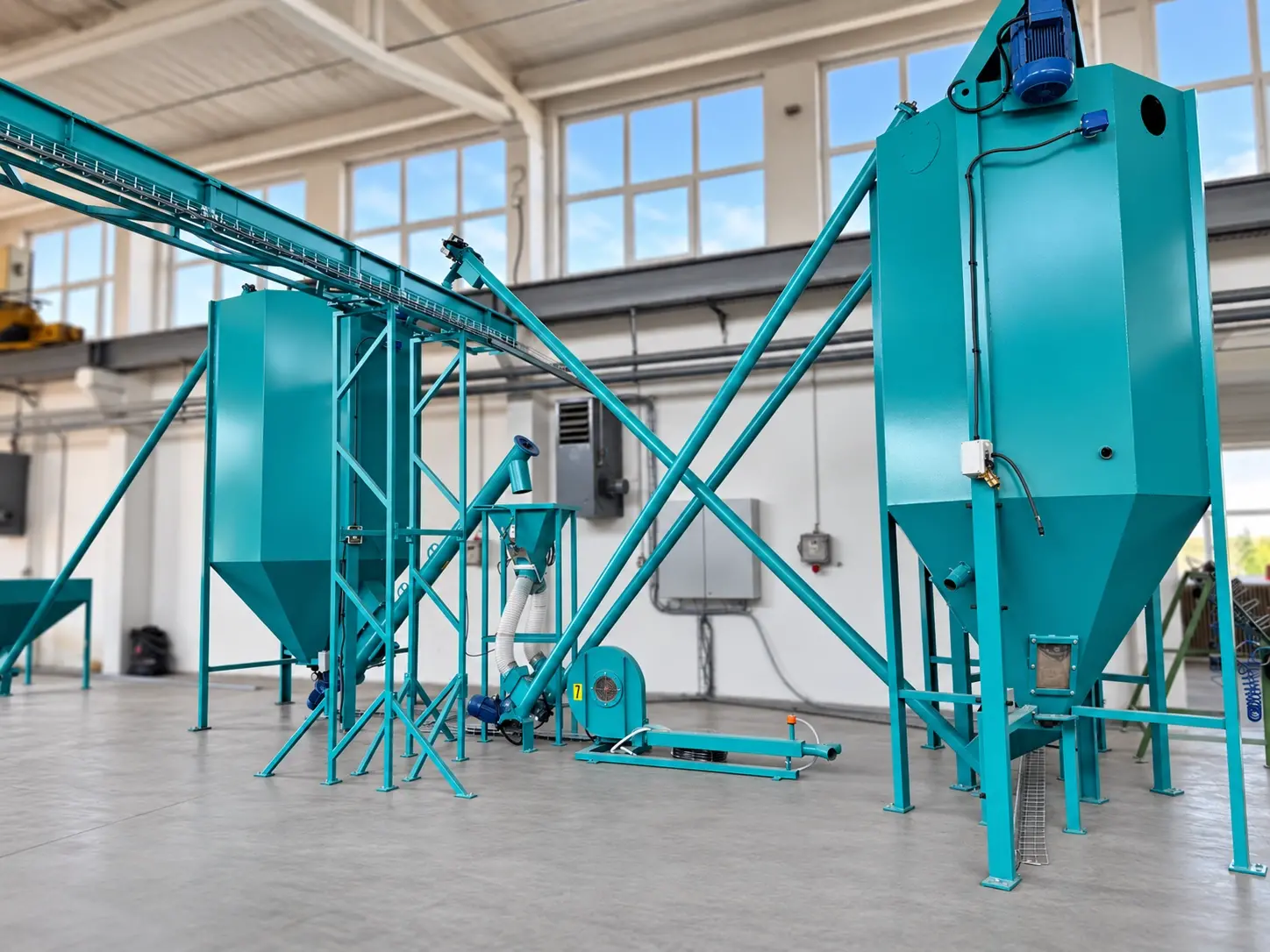
From Regrind to Product: How the Line Works
Good intentions alone are not enough. Waste can only become a product of reliable quality if every step of processing runs predictably. That is why the MPS extrusion system is not a single machine but a coordinated sequence of interconnected units.
The process starts with feeding in the plastic regrind, from where a controlled screw conveyor carries the material to the mixer. Here, both the material composition and the colour can be adjusted to customer requirements. Mixing is followed by drying in two tanks, after which the prepared granulate reaches the feed hopper of the extruder via controlled material conveying.
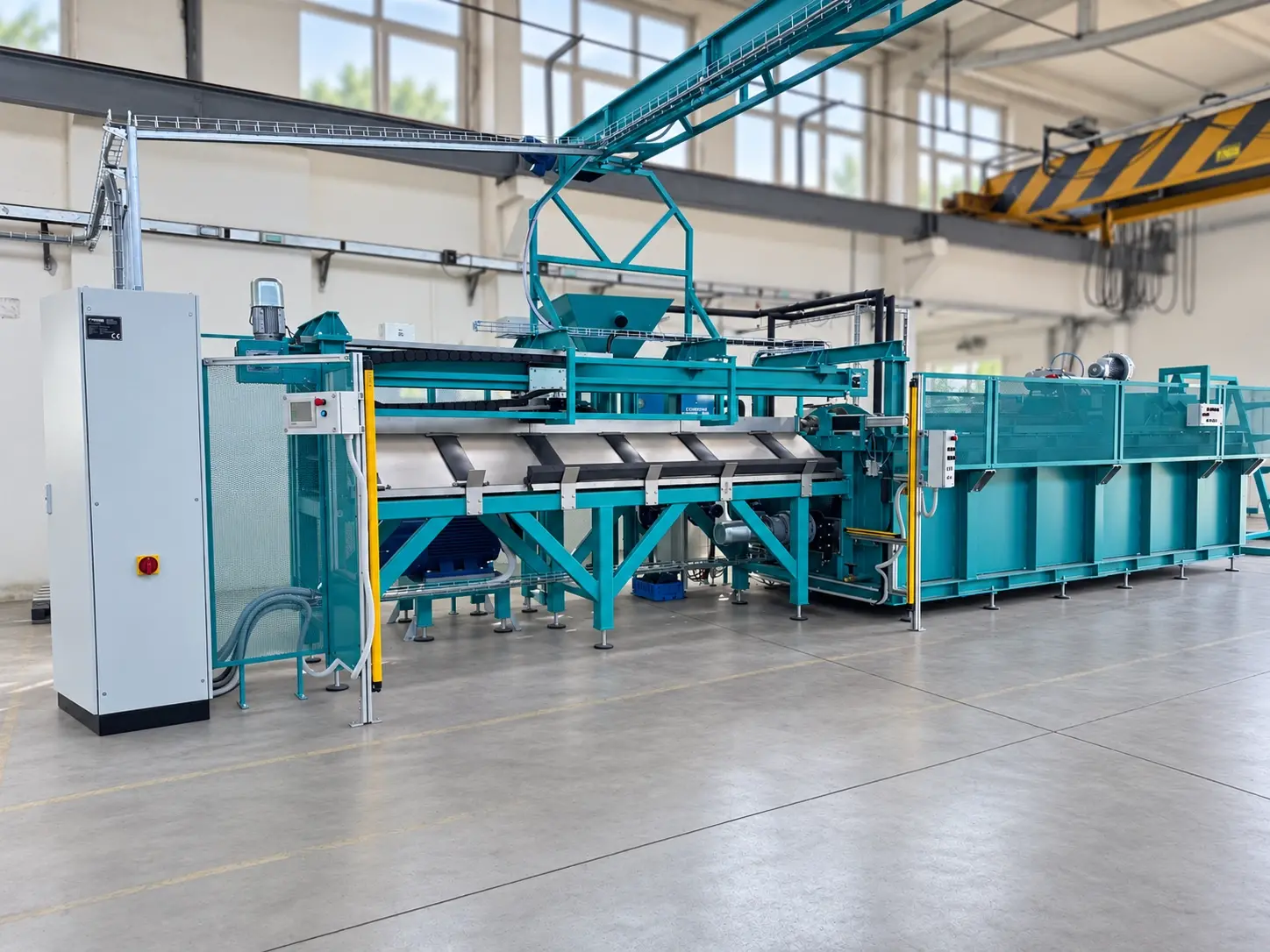
After extrusion, the finished product is handled automatically as well, with automated discharge built into the system. The units are linked by the control system, and occupational safety and ease of operation were key considerations throughout the design.
One Machine, Many Trades
The line was built to a tight deadline, and several technical challenges had to be solved along the way. This called for laser cutting, sheet metal forming, metalwork and powder coating specialists, the assembly and programming expertise of the special machinery team, and the support of the office staff, all at the same time.
Structural elements, sheet metal parts, surface treatment and controls all came together in a single project. Tasks like this show the real value of having design, manufacturing and automation within one team.
More Than Quality and Logistics
Many people know Miell Group for its quality assurance and logistics services. However, the group also has a strong manufacturing background: based in Balogunyom, Vas County, MPS delivers custom special-purpose machines, industrial automation solutions and metalworking equipment.
The extruder project is a good example of how a complex manufacturing task becomes a working machine. For partners, this means that Miell Group can be a reliable partner not only in supporting existing processes but also in delivering new manufacturing solutions.
Miell Group – Engineering Expertise for Sustainable Operations
For Miell Group, sustainability is not a standalone slogan but part of how it operates. The MPS extrusion system demonstrates this in a tangible way: the result of engineering work is a machine that creates new value from waste.
The machine presentation video follows the material's path from feeding to the finished product, and shows how the project teams worked together. The video is in Hungarian with English subtitles.
A detailed technical presentation of the project is available on the MPS website.
From waste to new products, from idea to working machine. This is Miell Group's approach.